diensten
Voor managers
Van compliance naar leiderschap





Region

diensten
Van compliance naar leiderschap
Als manager in de voedingsmiddelenindustrie bent u eindverantwoordelijk voor processen die direct raken aan bedrijfscontinuïteit, reputatie en maatschappelijke verantwoordelijkheid. Of u nu stuurt op voedselveiligheid, duurzaamheid, audits of organisatieontwikkeling: uw rol vraagt om meer dan alleen kennis van de norm.
Onze managementtrainingen zijn ontwikkeld voor mensen in strategische posities: QA-managers, kwaliteitsdirecteuren, teamleiders of verantwoordelijken voor compliance of ESG-beleid. U leert hoe u beleid vertaalt naar werkbare structuren, hoe u borging slim inricht en hoe u uw team meeneemt in verandering.
We bieden ruimte voor reflectie en actie, koppelen theorie aan praktijk en zorgen dat u als leider sterker staat in een wereld die steeds complexer wordt.
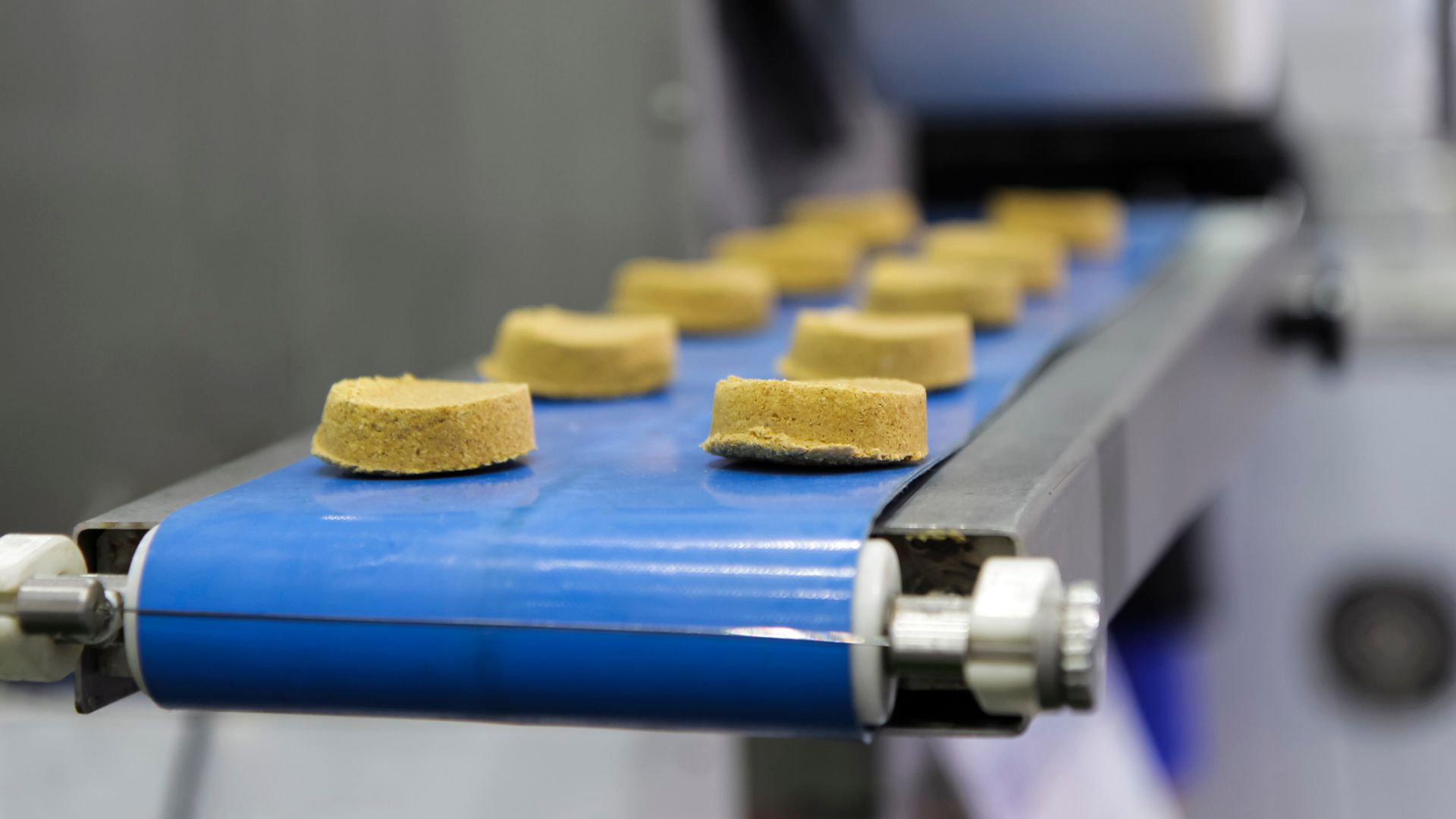
Voedselcontactmaterialen kunnen stoffen afgeven die in je producten terechtkomen - en zo de veiligheid van de consument beïnvloeden. Daarom is het essentieel dat je weet hoe je deze materialen kritisch beoordeelt. In deze training helpen wij je stap voor stap om binnen je kwaliteitssysteem, zoals je HACCP-plan, solide beslissingen te nemen over wat je gebruikt en hoe je dat verantwoordt.

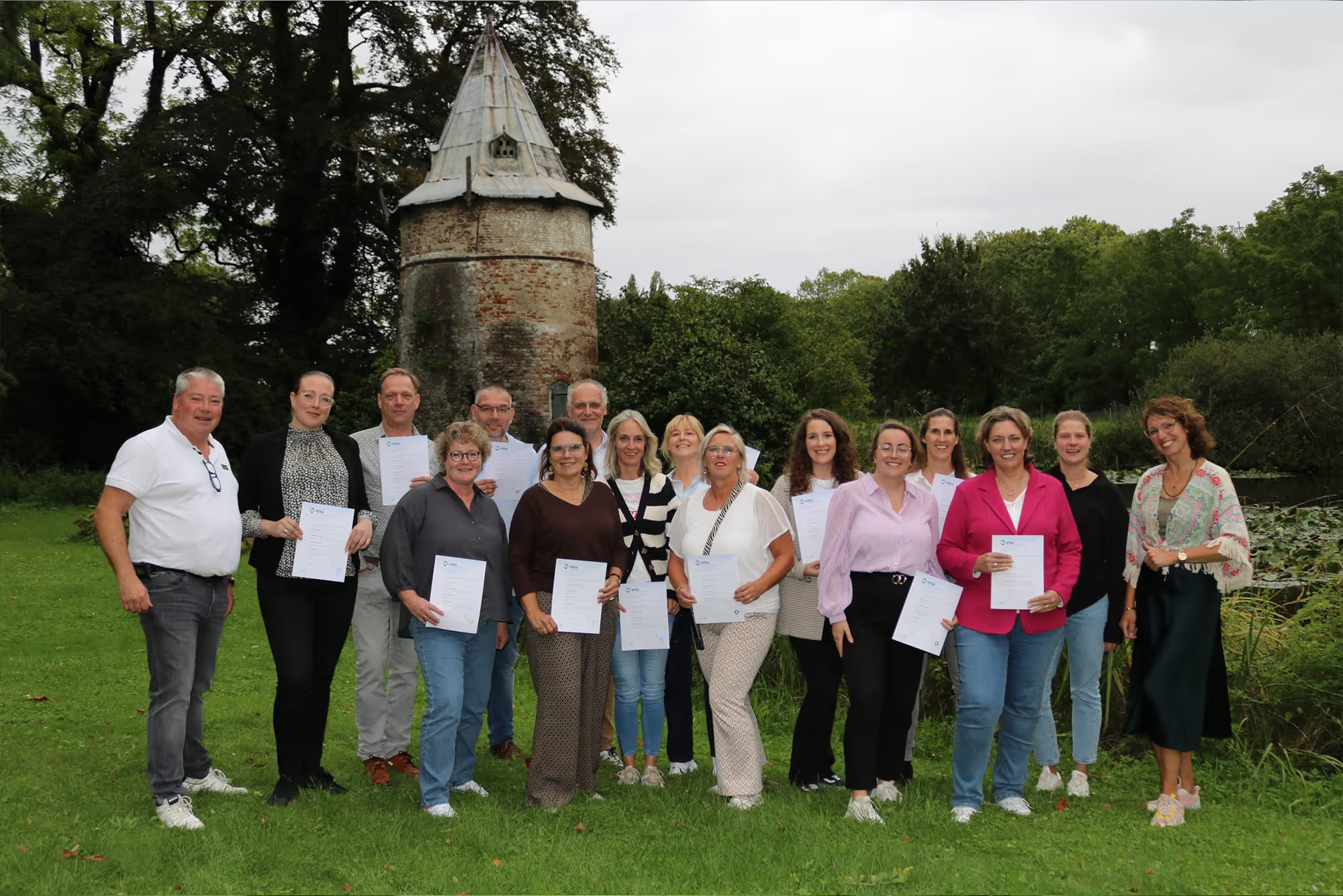
Het ultieme doel van elke foodprofessional is het creëren van een duurzame voedselveiligheidscultuur - niet louter een checklist. Voedselveiligheidscultuur omvat de normen, waarden en het gedrag binnen je organisatie, en vormt de basis voor echte verandering en kwaliteit. In deze training begeleiden wij je stapsgewijs om deze cultuur zichtbaar, beheersbaar en stevig verankerd te maken in je organisatie.
Een HACCP-teamleider is meer dan een coördinator: je bent de drijvende kracht achter voedselveiligheid en kwaliteitsborging in je organisatie. In onze driedaagse Advanced-training leid je jouw team effectief richting een future-proof HACCP-plan, dat past binnen hedendaagse kwaliteitsstandaarden als BRC, IFS en FSSC 22000. Samen werken we aan veiligheid, daadkracht én duurzaam vertrouwen.

Duurzaamheid is geen project meer, het is onderdeel van de dagelijkse praktijk. Zeker voor QA-managers in de voedingsmiddelenindustrie, die steeds vaker geconfronteerd worden met duurzaamheidsvragen uit de keten, nieuwe wetgeving zoals CSRD, EUDR of PPWR en klanten die inzicht willen in CO₂-uitstoot en beleid.

Weet je echt wat er moet gebeuren wanneer een terugroepactieverandert in een crisis? In onze training “Crisis Management” leiden weje doelgericht door alle stappen: van herkenning van het risico tot toetsingvan je respons. Met deze training verstevig je niet alleen je compliance, maarbouw je aan veerkracht en duidelijk leiderschap in je organisatie.
About us as a training provider
Our training programmes come directly from practice. Developed and delivered by specialists who work with clients every day. That is why every programme is filled with real-life examples, recognisable situations, and practical tips.We believe learning should be both engaging and effective. Expect interactive sessions, tailored to your daily reality.

5 min read
Laws and regulations define the rules of the game for food safety, labelling, and market access. They are not only there to be followed, but to safeguard what truly matters: trust, integrity, and safety. In a constantly evolving industry, compliance is the minimum requirement. Organisations that understand legislation, follow it, and stay ahead of it, build reputation, agility, and credibility.

5 min read
Control starts with insight. And insight starts with measurement. A well designed sampling plan forms the foundation for demonstrable food safety and product quality. Whether it concerns raw materials, finished products, or environmental hygiene, without structured sampling, every laboratory result remains a snapshot without context. The right sample, at the right moment, for the right reason. That is what a sampling plan is about.

5 min read
Quality is not a coincidence. It is the result of clear processes, shared responsibility, and structured control. Quality management systems form the foundation of food safety, product quality, and business integrity. They ensure that you operate in line with legislation, customer requirements, and international standards and that you can demonstrate this. But quality systems are more than a way to achieve certification. They are the foundation for improvement, for trust, and for strategic decisions that strengthen future readiness.
5 min read
Food safety starts with insight. What hazards are present in your raw materials, processes, packaging, or supply chain? Where are the risks of fraud, sabotage, or cross contamination? Systematic risk assessments such as HACCP, GIRA, VACCP, and TACCP provide control over these hazards. They help you identify risks, assess their impact, and implement control measures that actually work. Not only to comply with legislation or audits, but to operate safely, prevent incidents, and build trust.

5 min read
A system is only as strong as the people who operate it. That is why training and knowledge are not a side topic within quality. They are a foundation. Whether it concerns food safety, audits, or labelling, without knowledge there is no compliance. Without skills, there is no control. And without awareness, there is no improvement. Training and knowledge do more than build expertise. They strengthen engagement, ownership, and quality awareness across all levels of the organisation.

5 min read
Every organisation wants to improve. But without structure, improvement ideas are often handled ad hoc, remain good intentions, or lose momentum in daily operations. Improvement management creates focus. It provides direction, makes progress visible, and prevents the same mistakes from being repeated. By identifying, assessing, and implementing improvements in a structured way, improvement becomes more than isolated actions. It becomes a system that truly drives organisations forward.
5 min read
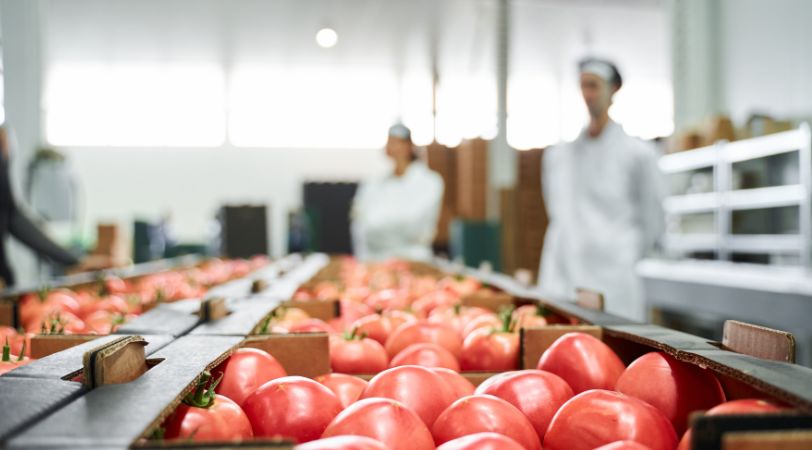
In the food industry, speed is critical. Especially when something goes wrong. Whether it concerns a recall, a food safety incident, or a customer question about origin, you need to know where a product comes from and where it has gone. Traceability is therefore more than a legal requirement. It is the backbone of food safety, quality assurance, and supply chain transparency. Without a solid system, you lack control. With the right system, you gain control, trust, and resilience.

5 min read
In the food industry, what you cannot see can pose the greatest risk. Microorganisms, allergens, or residues can settle unnoticed in your environment and eventually contaminate your product. Environmental Monitoring Programs help you manage these risks in a structured way. They enable you to: Detect risks at an early stage, Validate cleaning and disinfection, Demonstrate compliance with legislation and GFSI standards, No organisation can ensure food safety without including the environment in its system.

5 min read
Incidents never come expected. A deviation in production, a product recall, a cyberattack, or a sudden disruption in the supply chain. The impact on quality, continuity, and trust can be significant. In those moments, you need structure, clarity, and decisive action. An incident is not a question of if, but when. The way you are prepared determines whether you limit the damage or make it worse and whether you recover or come back stronger.

5 min read
Quality does not happen by chance. It is the result of clear agreements, deliberate choices, and structured control. In a sector where food safety, legislation, and reputation come together, governance is key. It provides the framework that enables organisations to steer on both compliance and growth. Governance is not just about documenting what is required. It is about organising what truly matters, from policies and KPIs to processes, responsibilities, and leadership. This ensures that quality is not limited to QA, but becomes part of the entire organisation.

5 min read
Most organisations have clear protocols, systems, and certifications in place. Yet the biggest risks often do not arise from the system itself, but from how it is applied in practice. From behaviour. Food safety is not a checklist. It is a culture you live every day, at every level of the organisation. Food Safety Culture is about how people think about food safety, how they act in their daily work, and how they respond under pressure. It becomes visible in small decisions, in leadership behaviour, and in the way mistakes are discussed. A strong Food Safety Culture is not optional. It is essential for trust, continuity, and growth.
5 min read
Every strong food safety system starts with the basics. Without structured hygiene, cleaning, maintenance, and pest control, any risk analysis is built on unstable ground. Prerequisite programmes form that foundation. They are not just a checklist in an appendix, but the base on which every audit, certification, and food safety culture is built. When properly implemented, they help prevent incidents, ensure compliance, and give employees control over their daily work.